
Loading...
Serving Laredo, TX and surrounding areas. (956) 815-3260
Laredo's sun and heat dry out wood fast. We stain and seal wood fences throughout Laredo with UV-rated products and proper prep so the finish lasts - not just for a few months.
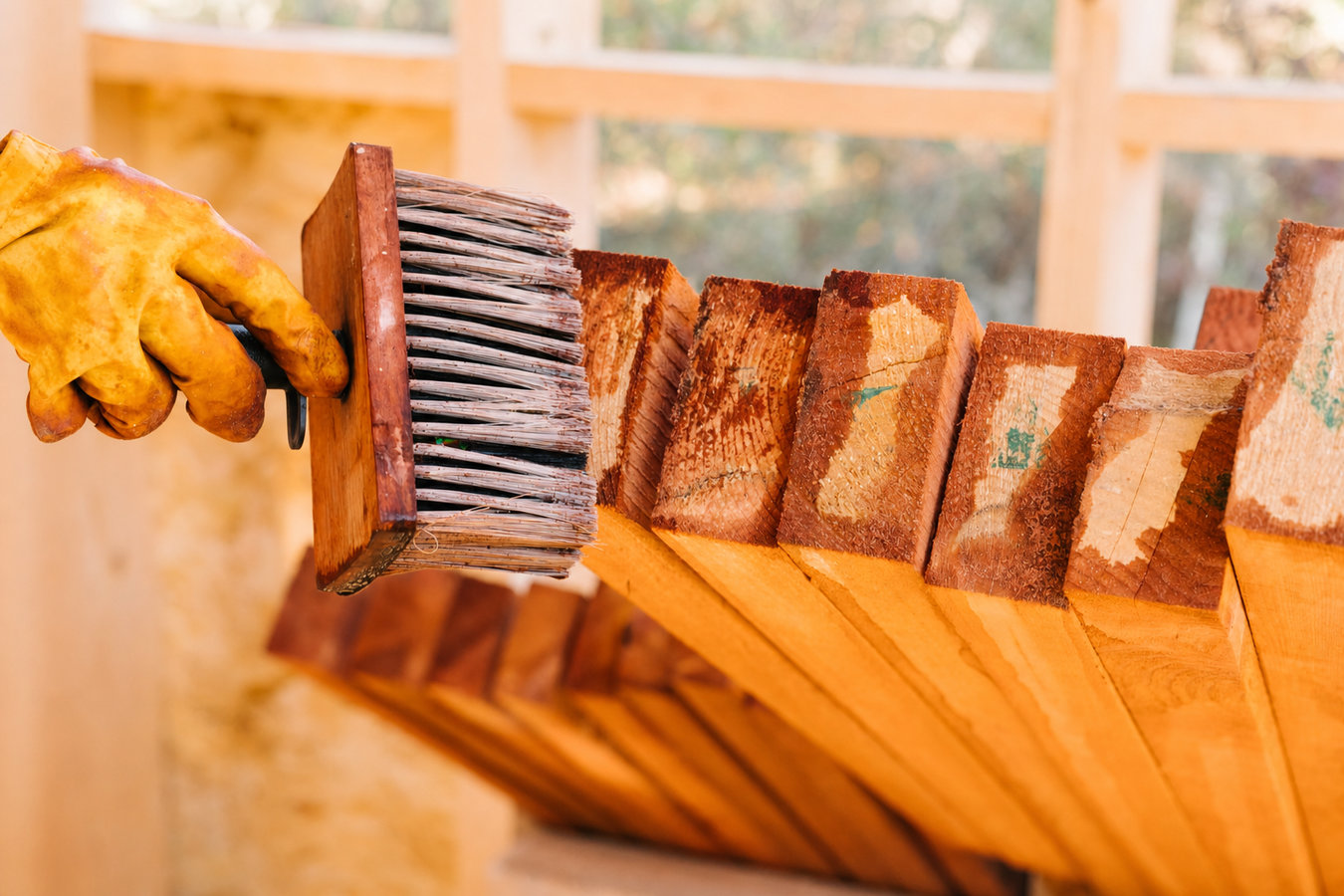
Fence staining and sealing in Laredo, TX means cleaning the wood, applying a penetrating stain that blocks UV damage and locks in moisture, and finishing with a sealer that keeps rain and soil contact from rotting the base - most residential jobs are complete in a single day, with a second optional visit for larger properties.
If your fence is turning gray, showing hairline cracks along the boards, or if water soaks in immediately when you splash it on the surface, the protection has worn off. In Laredo's climate, that can happen in as little as one to two years on south- and west-facing sides that take direct afternoon sun. A staining job done at the right time - before the wood starts splitting - costs a fraction of what you would pay for fence replacement. For fences already showing structural problems, we also offer wood fence installation to start fresh with properly treated new material.
Most of these signs are visible from your backyard - no contractor needed to spot them.
When a wood fence loses its warm brown color and starts looking gray, that is the sun breaking down the surface of the wood - not just a cosmetic change. In Laredo's intense UV environment, this graying can happen within a year or two on an unprotected fence. It means the wood is drying out and becoming more vulnerable to cracking, and it is much easier to treat now than after boards start splitting.
Splash a small amount of water on your fence boards. If it soaks in immediately and darkens the wood, the sealer has worn off and the wood is absorbing moisture directly. In Laredo, where late-summer rain can arrive after weeks of dry heat, an unsealed fence can soak up and release water in short cycles - the exact pattern that causes boards to warp and crack.
Small surface cracks running along the grain of the wood are an early warning sign that the wood is drying out from heat exposure. In Laredo's summer, these cracks can deepen quickly if left untreated, eventually letting water inside the board where it causes rot from the inside out. Catching this at the hairline stage is far less expensive than replacing boards.
Dark discoloration or a grayish-green fuzz near the bottom of your fence boards is mildew - a sign moisture is sitting against the wood. This is especially common in Laredo yards where sprinkler systems hit the fence line or where caliche soil holds water near post bases after rain. Left alone, this moisture damage works up the board and into the post before you see it from a distance.
Every job starts with a proper cleaning - either pressure washing or a hand-applied cleaner that removes dirt, mildew, and any old finish that is peeling. Skipping this step is the most common reason a staining job fails early, and we do not rush it. Once the wood is fully dry, we apply a penetrating stain with UV blockers - not a surface paint that will eventually peel - using brushes for edges and post bases and a sprayer or roller for the flat surfaces. We pay extra attention to the bottom sections of every board and the post bases, because in Laredo's caliche soil and heat environment, that is where damage starts first. If your fence has boards that are soft, spongy, or already rotted, we flag them before starting so you can decide whether to replace them now or address them separately. Our fence replacement service handles full replacements when staining alone is no longer the right call.
Timing matters more in Laredo than most places. We schedule staining work during spring (March through early May) and fall (October through November) when temperatures allow the product to absorb properly. Peak summer heat causes stain to dry before it can penetrate the wood, which leads to a finish that peels within a year. If your fence is a newer wood fence installation, we can set up a maintenance schedule so it gets treated at the right time every cycle without you having to track it. We also carry products meeting EPA Safer Choice criteria for lower VOC content, which matters if you have kids or pets using the yard during and after application.
Cleaning, UV-rated penetrating stain, and topcoat sealer - the complete treatment for fences that have not been maintained in one to two or more years.
A lighter clean and single-coat reseal for fences already in good condition - suited for homeowners on an annual or biannual maintenance schedule.
For fences with active mildew growth near the base - includes targeted mildew treatment, full cleaning, and staining once the wood is ready to accept product.
For properties where only one side of the fence - typically the south or west face - has faded faster and needs attention ahead of the rest.
Laredo gets more than 220 sunny days a year, with summer UV levels that rank among the highest in the continental United States. A fence that might go three to four years between treatments in a northern city typically needs attention every one to two years here - especially on south- and west-facing sides that absorb direct afternoon sun. On top of the UV exposure, much of the Laredo area sits on caliche soil, which holds moisture unevenly after rain and wicks water up into fence post bases. That combination of drying sun above and damp soil below is hard on wood, and the bottom of every board takes the worst of it. Homeowners in Rio Bravo and across the Laredo metro area consistently see faster fence deterioration than homeowners in most other Texas cities - and regular staining and sealing is the most cost-effective way to stay ahead of it.
If you live in one of Laredo's newer north or northwest subdivisions, your HOA may have rules about fence color and finish type. Some associations require a natural wood tone and do not allow anything that looks like paint. Before scheduling a job, check your HOA documents or send a note to your association manager - we are familiar with common requirements in neighborhoods across the area, including Zapata and surrounding communities, and can help you choose a color and finish that keeps you compliant. The USDA Forest Products Laboratory publishes research on wood preservation and finish durability that informs the products and methods we use in South Texas conditions.
We will ask a few basic questions - how long is the fence, what is it made of, and when was it last treated. Most contractors will want to see the fence in person before committing to a price. That is actually a good sign - it means they are not guessing.
During the estimate visit, we check wood condition, identify any mildew or rot, and note anything that might affect the job. This is a good time to ask what product we will use and how long it will last in Laredo's heat. A written quote follows - no surprise charges later.
The crew starts by washing the fence - power washer or hand-applied cleaner - to remove dirt, mildew, and any peeling old finish. After cleaning, the fence must be fully dry before any product goes on. In Laredo's heat, that can happen the same day, but we check the wood before proceeding.
We apply the stain and sealer in sections - brushes for edges and post bases, sprayer or roller for flat surfaces. Before leaving, we walk the fence with you, point out any boards to monitor, and tell you exactly how long to keep kids and pets away while the finish cures - typically 24 to 48 hours.
Free estimate, written quote, and no pressure. We answer every inquiry within one business day.
(956) 815-3260We use penetrating stains with UV blockers specifically suited to Laredo's climate - not general-purpose products that dry out too fast in triple-digit heat. A product that bonds properly here lasts two to three times longer than one applied without regard for local conditions.
In Laredo, caliche soil holds moisture near fence posts after rain, and that is where rot starts quietly - long before it is visible from a distance. We pay extra attention to the lower sections of every board and post base on every job, because protecting the bottom of a fence is what actually extends its life in this environment.
We only take staining jobs during Laredo's two weather-appropriate windows - spring and fall - when temperatures allow the product to absorb properly. A job done right during the correct season lasts far longer than one rushed in July heat, and we will tell you if the timing is not right rather than take your money for a job that won't hold.
Many of Laredo's newer subdivisions have HOA rules about fence color and finish type. We know the common requirements in neighborhoods across the city and can steer you toward compliant options before the first brush stroke goes on - so you never get a violation notice after paying for a staining job.
Every job includes a written quote before work starts and a walkthrough when it is done. If something comes up during the job - a board that needs to be replaced, a mildew spot worse than expected - we tell you before we act, not after.
When staining and sealing is no longer enough, we replace the full fence from posts up - including removal of the old structure and permit handling.
Learn MoreNew wood fence installation in Laredo using pressure-treated or cedar materials, set with concrete footings suited to South Texas soil conditions.
Learn MoreThe best treatment window in Laredo is short - reach out now and we will lock in your date before the heat makes proper staining impossible.